A Comprehensive Guide to the Various Uses HDPE Pipe in Construction and Sector
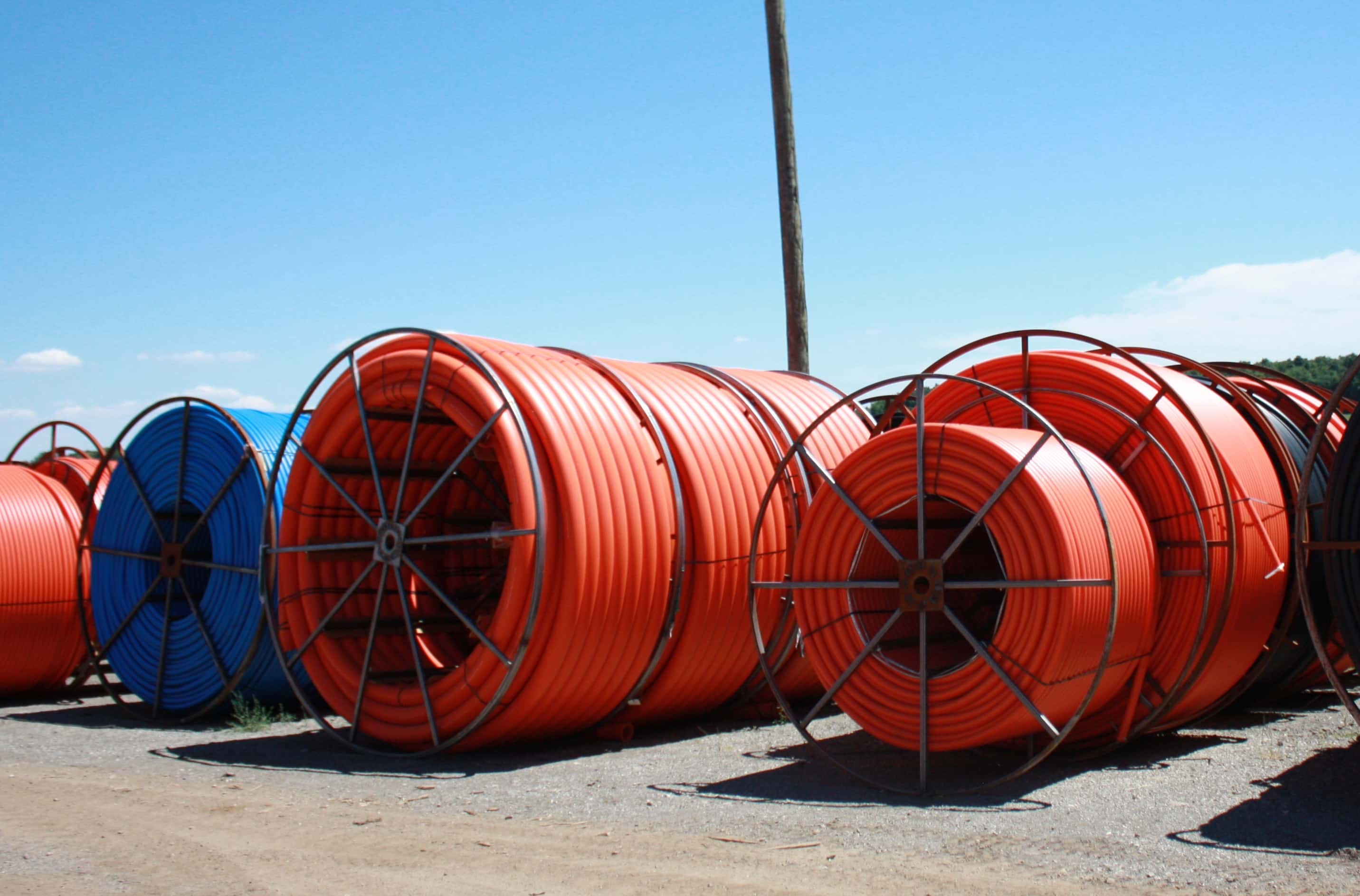
HDPE pipelines have emerged as a crucial part in contemporary building and construction and commercial applications. Their unique homes, such as resistance to deterioration and lightweight layout, make them ideal for a large range of usages. From supply of water systems to farming irrigation, HDPE pipes provide services that boost effectiveness and sustainability. Recognizing their varied applications is necessary for specialists looking to maximize infrastructure. What specific advantages do these pipelines bring to each sector?
Water and Distribution Solutions
Water and distribution systems are crucial components of metropolitan infrastructure, commonly depending on high-density polyethylene (HDPE) pipes for their sturdiness and efficiency. These systems transportation safe and clean water from treatment facilities to customers, making certain accessibility and safety. HDPE pipes are preferred for their resistance to corrosion, chemicals, and severe temperatures, which boosts their durability and reduces upkeep expenses. Furthermore, their lightweight nature permits for less complicated setup and transportation, making them optimal for various city and rural applications.
The flexibility of HDPE pipelines enables them to be installed in limited spaces and around barriers, minimizing the need for extensive excavation (hdpe pipe fittings Midland TX). Furthermore, their smooth interior surface area lowers friction losses, enhancing water flow prices. As cities remain to grow, the demand for trusted water system systems enhances, positioning HDPE pipes as a lasting service for modern facilities tasks. Their tested performance history makes them a preferred option amongst designers and metropolitan planners alike
Wastewater Management and Therapy
Reliable wastewater management and treatment are necessary for preserving public health and ecological high quality. HDPE pipelines play a crucial duty in this procedure because of their toughness, resistance to rust, and capacity to hold up against harsh chemicals. These pipelines are generally utilized in different applications, consisting of sewage systems, stormwater drain, and wastewater therapy facilities. Their lightweight nature promotes simpler setup and transportation, reducing labor prices and time.
In addition, HDPE pipes have a smooth interior surface area that lessens friction loss, advertising effective flow rates. They are likewise less prone to leaks and failures contrasted to traditional products, making certain that impurities are contained effectively. Moreover, their flexibility permits flexibility in various soil problems, making them appropriate for varied ecological setups. As industries progressively prioritize sustainable methods, using HDPE pipes in wastewater monitoring systems straightens with objectives for reducing environmental influence and boosting resource healing.
Agricultural Watering Solutions
In agricultural settings, effective watering remedies are vital for maximizing plant returns and managing water resources. HDPE (High-Density Polyethylene) pipes play a crucial duty in modern-day irrigation systems due to their sturdiness, adaptability, and resistance to deterioration. Their ability to withstand high pressures makes them suitable for both surface area and subsurface watering applications, ensuring uniform water distribution across areas.
Farmers can utilize HDPE pipes in drip irrigation systems, which deliver water directly to plant roots, reducing waste and advertising healthy and balanced development. Furthermore, these pipes are light-weight and simple to set up, lowering labor prices and installment time. reference Their lengthy life-span and reduced maintenance demands additionally boost their charm in farming methods.
HDPE pipelines are ecologically pleasant, as they can be recycled and do not seep harmful chemicals into the dirt. This makes them a lasting selection for farmers intending to take on environmentally friendly farming methods while making the most of performance.
Industrial Applications and Processes
Convenience is a hallmark of HDPE pipes, making them important in numerous industrial applications and processes. These pipes are extensively made use of in chemical processing markets because of their superb resistance to a variety of destructive substances. HDPE's lightweight nature, combined with high tensile strength, enables for very easy installment and long-term performance popular environments.
In the oil and gas industry, HDPE pipes play a crucial duty in moving hydrocarbons and gases, thanks to their durability and adaptability - hdpe pipe fittings Midland TX. Additionally, they are used in mining procedures for the transport of slurry and various other products, where standard piping systems may fail
HDPE pipelines are progressively made use of in making centers for water supply lines and wastewater weldolet monitoring. Their capacity to stand up to extreme temperature levels and pressures makes them ideal for a variety of industrial processes. Overall, HDPE pipelines add substantially to performance and safety and security throughout diverse industrial applications.
Stormwater Management and Water Drainage Solutions
Stormwater monitoring and water drainage systems are essential elements in urban framework, developed to handle excess rainfall and minimize flooding risks. High-density polyethylene (HDPE) pipelines are progressively made use of in these systems because of their resilience, flexibility, and resistance to rust. These pipes efficiently carry stormwater away from inhabited locations, minimizing surface area runoff and preventing waterlogging.
HDPE's lightweight nature promotes easier installment, reducing labor expenses and building time. Additionally, its resistance to chemicals and environmental stress factors warranties durability and reliability in various environments. In enhancement to standard drain applications, HDPE pipes are likewise used in ingenious services such as green framework, which consists of rain yards and absorptive pavements.
Regularly Asked Questions
Exactly How Does HDPE Pipeline Contrast to PVC Pipeline in Price?
Generally, HDPE pipe often tends to be much more pricey than PVC pipe as a result of its improved durability and versatility. Nonetheless, long-term expense factors to consider, such as upkeep and life expectancy, may favor HDPE in specific applications.

What Is the Life Expectancy of HDPE Pipes Under Varying Conditions?
HDPE pipes commonly have a lifespan of 50 to 100 years, depending on environmental problems, installation browse around this web-site practices, and usage. Elements such as temperature level, dirt type, and exposure to chemicals can substantially influence their longevity.
Can HDPE Piping Be Recycled After Use?
Yes, HDPE pipes can be recycled after use. The recycling procedure entails thawing down the product, enabling it to be repurposed right into brand-new items, thus promoting sustainability and decreasing environmental influence connected with plastic waste.
Are There Any Type Of Particular Setup Difficulties With HDPE Pipes?
Installation challenges with HDPE pipelines consist of proper jointing techniques, ensuring adequate trench problems, and taking care of thermal development. In addition, experienced labor is called for to manage customized equipment, which can make complex the setup procedure in various environments.
What Qualifications Should I Look for When Acquiring HDPE Water Lines?
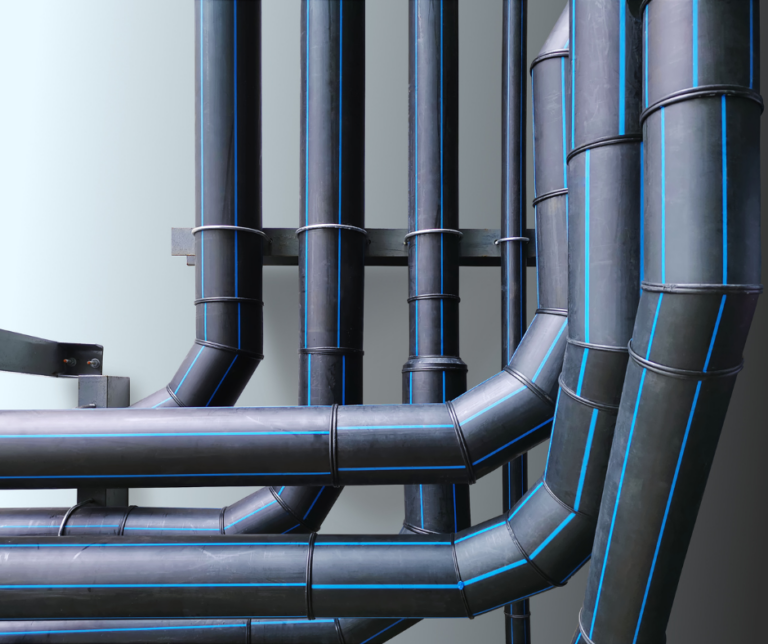
When acquiring HDPE pipelines, one need to look for qualifications such as ASTM, AASHTO, and ISO, which confirm quality and conformity with sector criteria, assuring sturdiness and efficiency in various applications. - Pipe Supplier American Plastics Midland